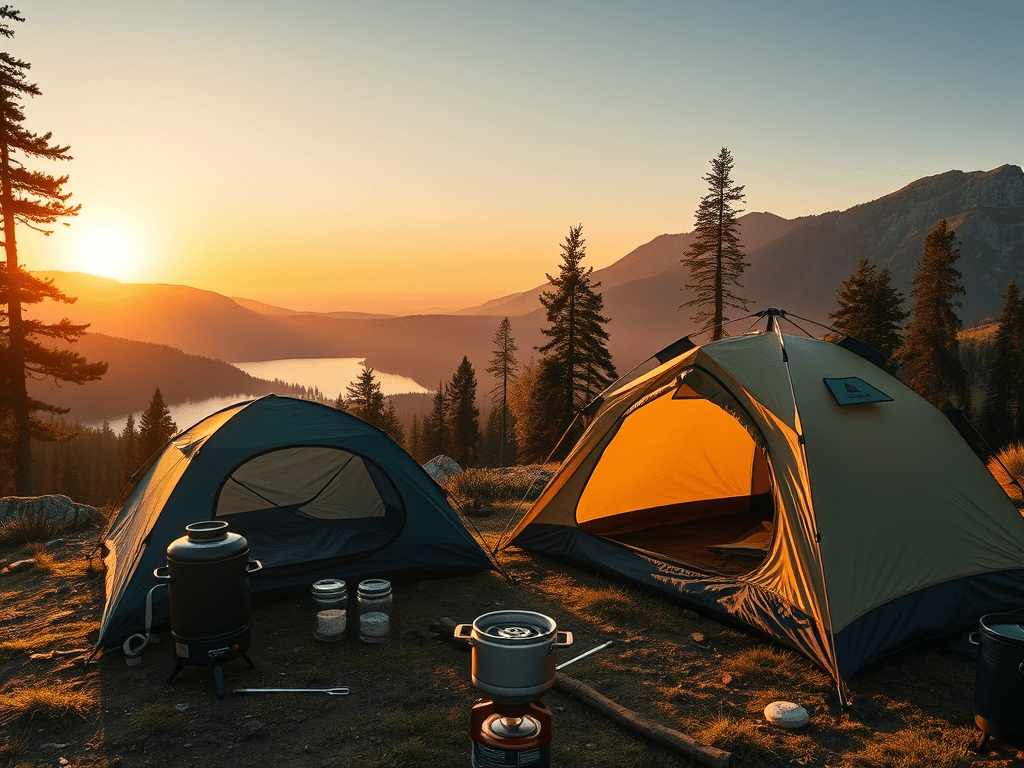
Embarking on your first camping trip is an exciting opportunity to immerse yourself in nature, escape from daily routines, and create lasting memories. Whether you’re heading to the mountains, forests, or a lakeside campsite, being prepared can make all the difference between an enjoyable experience and one full of unnecessary stress. Here’s a guide to help first-time campers set out confidently into the wild.
1. Choosing the Right Campsite
Start with a well-maintained, beginner-friendly campsite. Many national and state parks offer well-equipped campgrounds with amenities like restrooms, picnic tables, and easy access to trails. Research in advance to know what facilities are available and book early, especially during peak seasons.
2. Essential Camping Gear
As a first-time camper, focus on the basics rather than overloading yourself with fancy gear. Here’s a checklist of must-haves:
- Tent: Choose a tent that is easy to set up and provides enough space for the people in your group.
- Sleeping Bag: Ensure it is suitable for the temperature range of your camping location.
- Sleeping Pad or Air Mattress: For added comfort, especially if you’re not used to sleeping on hard ground.
- Camp Stove/Grill: A portable stove or grill will make cooking easy. Don’t forget fuel and matches or a lighter!
- Lantern or Flashlight: Don’t rely solely on your phone for light. Invest in a good headlamp or lantern for nighttime.
- First Aid Kit: Include band-aids, antiseptic wipes, pain relievers, and any personal medications.
Don’t worry about having top-of-the-line gear; focus on practicality, comfort, and ease of use.
3. Packing Smart
While it’s tempting to overpack, the goal is to bring only what you need. Here’s how to streamline your packing:
- Clothing: Dress in layers to adapt to weather changes. Moisture-wicking fabrics are great for staying dry, and bring a waterproof jacket just in case.
- Food and Snacks: Plan simple meals that don’t require refrigeration. Think pasta, rice dishes, or instant oatmeal for breakfast. Don’t forget quick energy snacks like trail mix and granola bars.
- Water: Bring plenty of water or a water filter if you’re camping near a fresh water source. Staying hydrated is key, especially if you’re hiking or active during the day.
4. Practice Setting Up Camp at Home
Before you head into the great outdoors, practice setting up your tent and using your camping stove at home or in your backyard. This simple step can save you time and frustration when you arrive at your campsite, especially if it’s getting dark or windy.
5. Leave No Trace Principles
Nature is best enjoyed when it’s left as pristine as we found it. Follow the Leave No Trace principles, which encourage campers to minimize their environmental impact. This includes packing out all your trash, respecting wildlife, and staying on designated trails and campsites.
6. Campfire Safety
One of the highlights of camping is gathering around a campfire. Before starting a fire, ensure your campsite allows it and follow these safety tips:
- Build your fire in a designated fire pit if available.
- Keep it small and manageable.
- Always have water and a shovel nearby to extinguish the fire completely when you’re done.
7. Staying Comfortable in Nature
While camping is about embracing the outdoors, staying comfortable is important. Here are a few extra tips for a cozy experience:
- Bug Protection: Bring insect repellent and wear long sleeves and pants to avoid bug bites.
- Sun Protection: Don’t forget sunscreen, a hat, and sunglasses to protect against UV rays, even on cloudy days.
- Weather Preparedness: Always check the weather forecast and be ready for changes. Pack extra blankets or layers if it’s expected to get chilly at night.
8. Activities to Enhance Your Experience
Besides hiking, there are plenty of fun activities to enjoy while camping. Bring a deck of cards, a frisbee, or a book to relax with at your campsite. Many campgrounds also offer guided tours, canoeing, and ranger programs to learn about the local flora and fauna.
9. Embrace the Adventure
Things might not always go perfectly, especially on your first trip, and that’s okay. If your tent takes longer to set up than expected or you forgot the marshmallows for s’mores, remember that camping is about being present in nature, enjoying time with friends or family, and learning as you go.
Conclusion
Your first camping trip is an opportunity to step outside your comfort zone and reconnect with the natural world. By preparing ahead of time and keeping a flexible, adventurous mindset, you’ll be ready to create memories that last a lifetime. Happy camping!
 The Camping Elite
Leave a comment